


European customers hold an average of 9.1 loyalty cards, yet active usage is declining. According to BCG, only 52% of enrolled programs are actively used. At the same time, there is a large group of so-called silent loyalists, customers who regularly buy from a brand without being members of its official program. The 2025 SAP Customer Loyalty Index estimates this group at 53%.
Building an effective loyalty program is difficult because it requires balancing customer benefits, data infrastructure, and business goals. None of these elements can be missing. Companies need to design systems that create long-term value for all stakeholders rather than blending into the background.
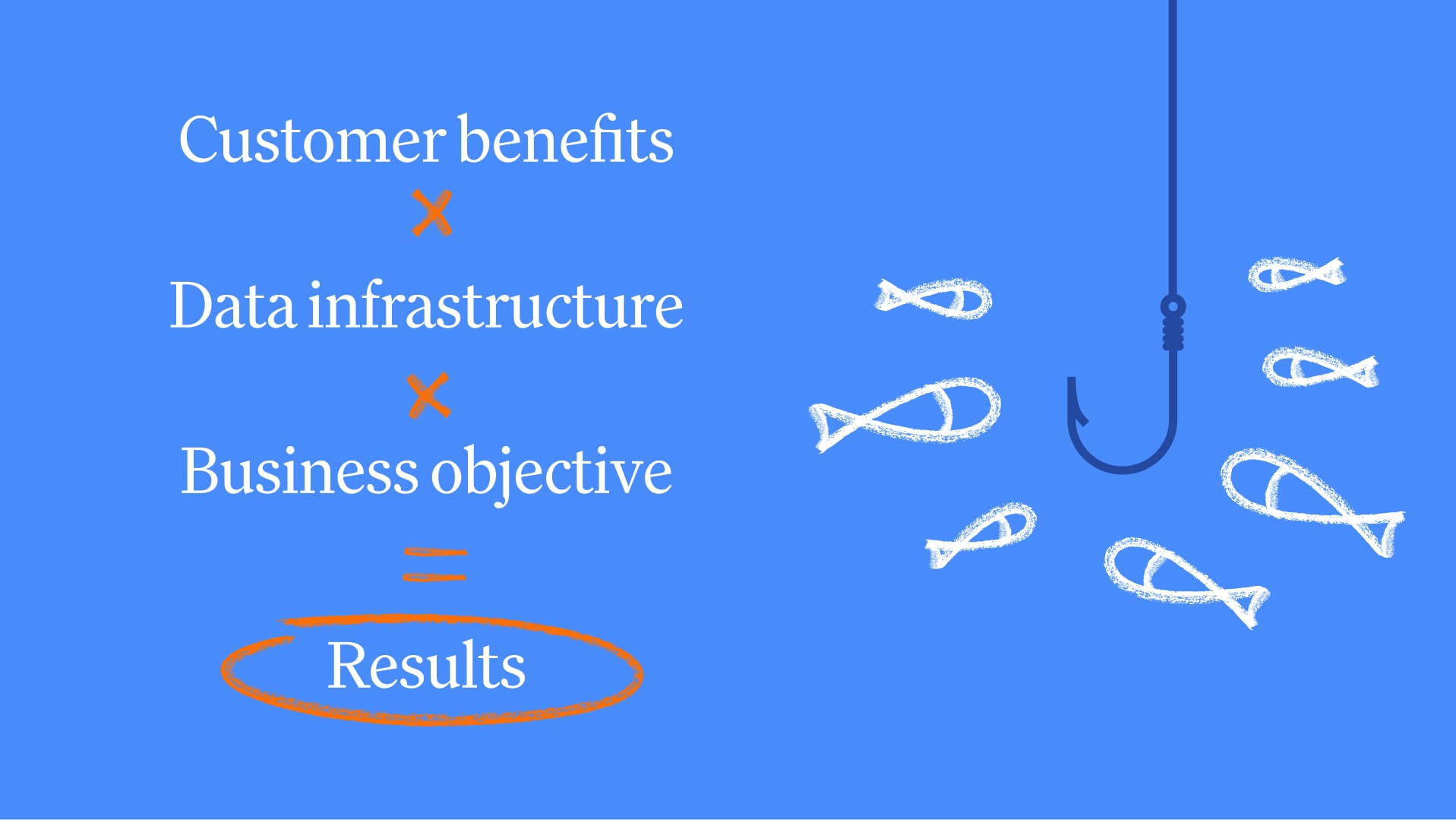
Real customer value does not come from points or discounts alone. It comes from offers that solve a need or provide something the customer would otherwise pay for. Data only matters if it is actively used, whether for strategic decisions or personalized experiences. A loyalty program works best when it is guided by one clear business objective that defines both direction and evaluation. Here is what these three pillars look like in practice:
1. Customer benefits
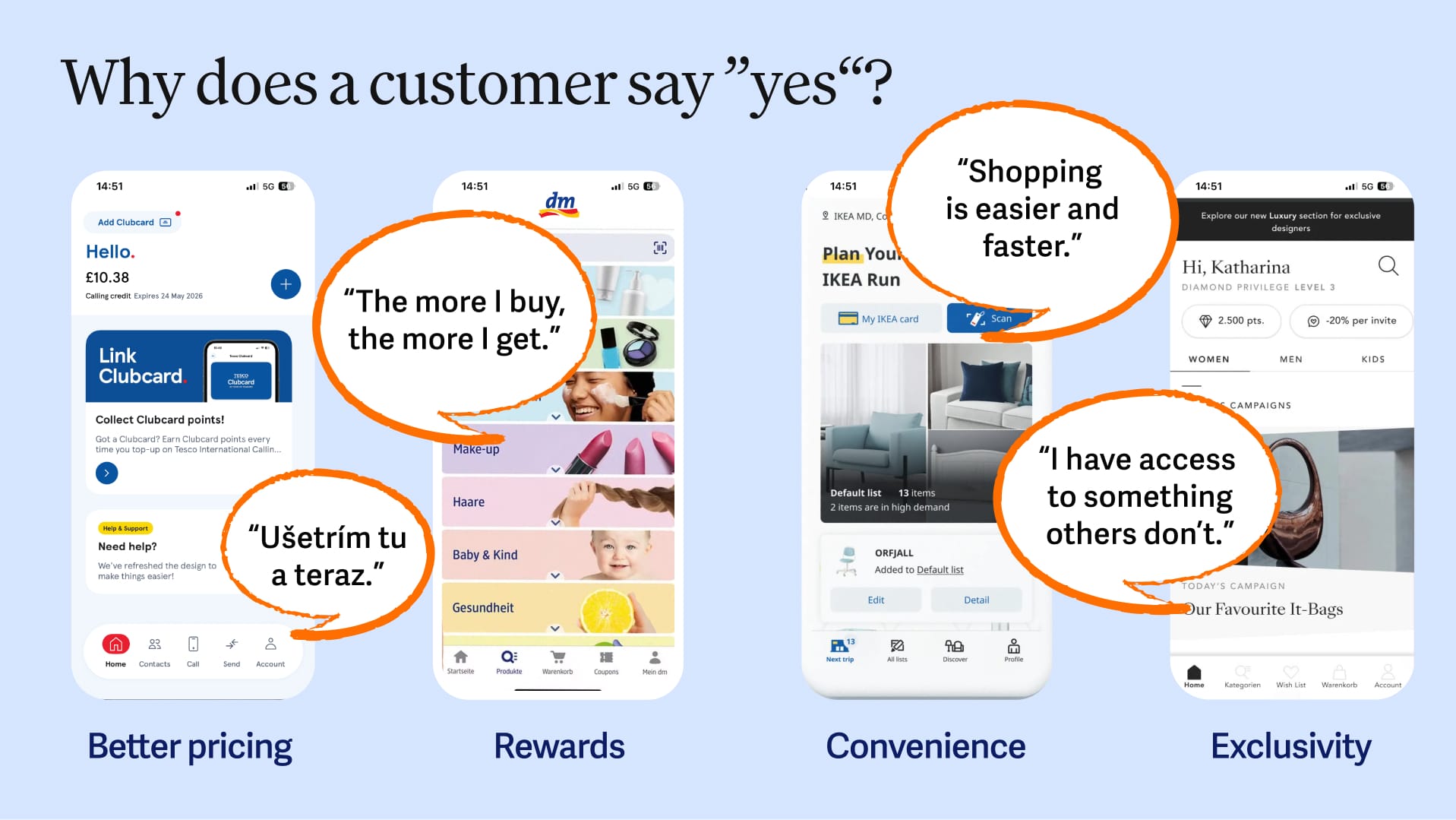
Customers join loyalty programs for different reasons, but most are driven by four types of value:
- Better pricing: Lower prices on purchases, such as with Tesco Clubcard, often motivate customers to buy items they would not otherwise consider.
- Rewards: Benefits earned through repeated purchases based on spending. This is common in programs like dm drogerie and in simple stamp cards at cafés.
- Convenience: Making the purchase process easier. For example, Shell allows customers to pay directly from their car.
- Exclusivity: Access to something others do not have, such as early sale access or airport lounge entry.
However, offering benefits alone is not enough. It is easy to damage trust. For example, a loyal customer who buys contact lenses every three months values convenience and fair pricing. If they receive an irrelevant gift and pay more than new customers, trust drops. The key is aligning the right benefit with the customer’s specific need at the right moment.
2. Data infrastructure
The second pillar is the ability to collect and use customer data effectively. Having data is not the same as using it well. Many organizations invest heavily in data warehouses, CRMs (Customer Relationship Management), and CDPs (Customer Data Platform), assuming that more data automatically means better customer insight – that is often not the case.
To create real business impact, employees need access to clear, aggregated data that helps answer their day-to-day questions and supports their decision-making. Personalization must also be meaningful and noticeable to the customer. At the same time, customers need to understand what data they are sharing and why, including the benefit they receive in return.
3. Business objective
The final and arguably most important challenge is ensuring the program creates measurable business value. A loyalty program must make commercial sense.
It is essential to define a clear goal. Most programs focus on one of the following:
- Collecting customer data for strategic decisions (Customer Intelligence)
- Driving customer purchases (Customer Activation)
- Increasing customer lifetime value (Customer Lifetime Value)
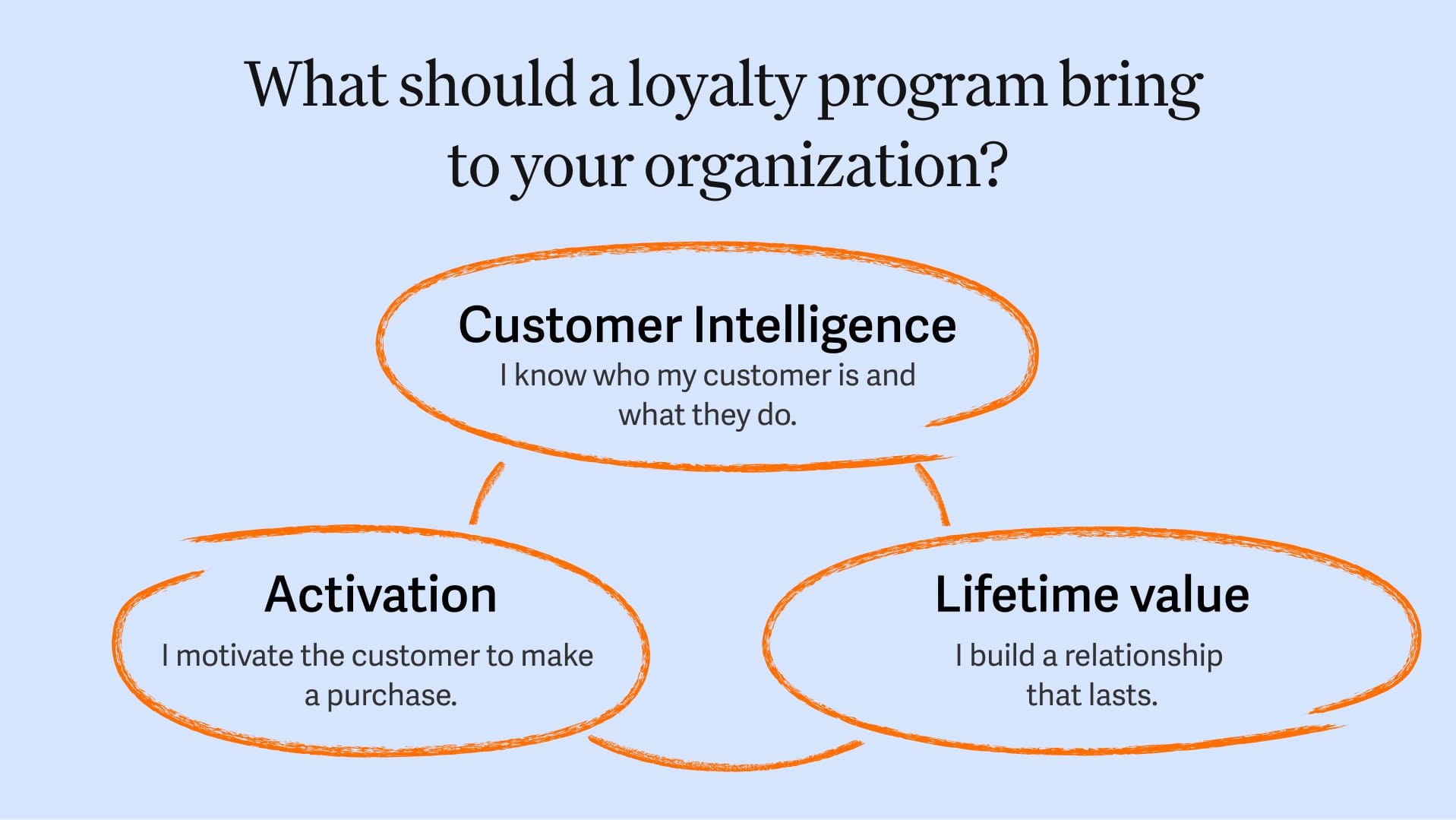
In retail, companies often try to achieve all three at once. The result is that none of them are executed well.
A loyalty program fails when companies do not understand customer needs, fail to use data effectively, or lack a clear objective. But when customer benefits, data infrastructure, and business intent align, the result is a system that supports a strong and lasting relationship between brand and customer.
At Lighting Beetle*, we help retail leaders align the business impact of loyalty programs with real customer needs. If you are looking to redesign your program or unlock more value from an existing one, get in touch with us.
